They built an island's sugar industry. Now they need a doctor.
For generations, Haitian families and their Dominican-born children have lived in the bateyes, the sugarcane villages of the Dominican Republic, where clinics are scarce and clean water is not guaranteed. The J.C. Hispaniola Fund brings free medical care directly to them.
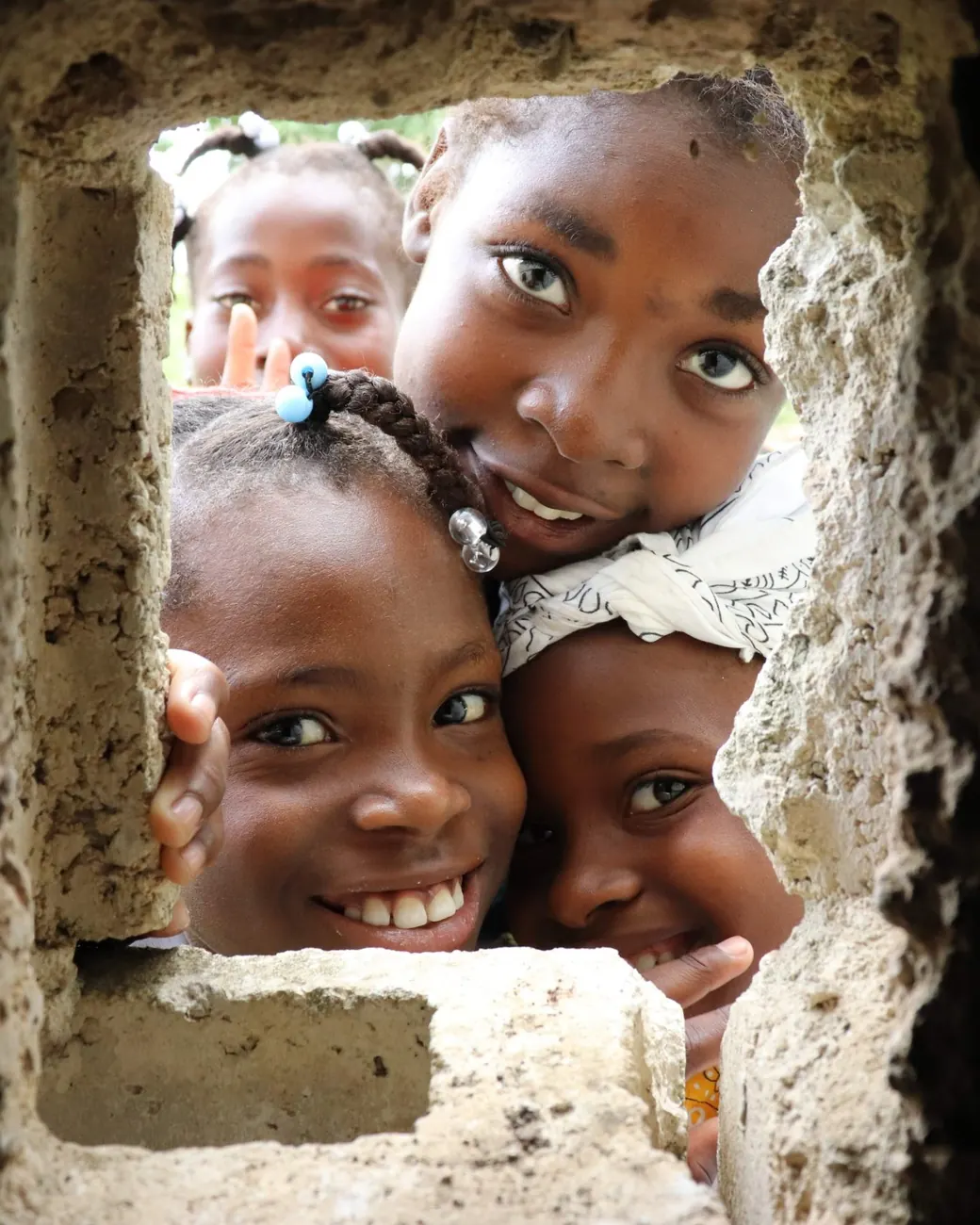
Villages built for the harvest, then left behind.
The bateyes are settlements that grew up around sugar mills and their cane fields, built to house the workers who cut the cane.1
The families who live there today are mostly Haitian migrants, their Dominican-born children and grandchildren, and Dominicans looking for work. As the sugar industry shrank, the bateyes became some of the poorest communities in the country.2
The mills have gone quiet. The families are still there, and many of them still have no doctor nearby.
bateyes across the Dominican Republic's cane-growing regions, as reported to the Inter-American Commission on Human Rights.3
medical dispensaries found by the Commission in the bateyes it visited, where it also saw children with signs of malnutrition.3
people of foreign descent estimated to be affected when a 2013 court ruling stripped many Dominicans of Haitian descent of their citizenship.4
of residents of the bateyes who sought care for a fever in one 2019 study were actually tested for malaria.2
“The overcrowding, the lack of hygiene, of drinking water, and of latrines are all very serious problems.”
Inter-American Commission on Human Rights, after visiting the bateyes3
How families came to live in the cane fields.
The people of the bateyes did not arrive by accident. For most of the 20th century, the Dominican sugar industry ran on Haitian labor, recruited across the border and housed beside the fields. This is how that history shaped who lives there today.
The cane was cut, the harvests ended, the mills closed. But the families stayed, and they are still waiting for basic care.
- 1916
A sugar boom under occupation
U.S. forces occupy the Dominican Republic. Large U.S. companies take over the sugar industry, and it expands rapidly.4
- 1920s–30s
The first braceros
Haitian cane-cutters, called braceros, are brought across the border to work the harvest. By 1935 the census counts 50,000 Haitians in the country.4
- 1937
The massacre
After sugar prices collapse, dictator Rafael Trujillo orders the killing of an estimated 15,000 to 30,000 Haitian migrants. It is one of the darkest chapters in the island's history.4
- 1966
The State Sugar Council
After Trujillo's death his twelve mills pass to the state, and in 1966 the Consejo Estatal del Azúcar (CEA) is created to run them.5
- 1960s–1986
Labor by contract
Haitian governments sign contracts with the CEA to supply braceros for a fee per worker. After each harvest comes the tiempo muerto, the “dead time,” and many workers stay on and raise families in the bateyes.41
- 1980
A permanent community
More than 200,000 Haitians are living permanently or semi-permanently in the Dominican Republic. The bateyes are now home, not just housing.4
- 1986
The contracts end
The state-to-state agreements stop after the fall of the Duvalier regime in Haiti. The workers and their children remain.4
- 1999–2000
The mills go quiet
The CEA leases its ten remaining mills to private companies. Within a few years most of them have closed, and the jobs the bateyes were built around disappear.5
- 2013
A question of papers
A Constitutional Court ruling retroactively strips citizenship from many Dominicans of Haitian descent. Without documents, schools and public services can be out of reach.41
- Today
Still there, still in need
Generations born in the bateyes live with poor housing, unreliable water, and few clinics. This is where our health fairs go.
Swipe or scroll sideways through the timeline
Treated as temporary
Bateyes were long seen as company housing, or even illegal settlements, so the government provided fewer public services there. The sugar companies were expected to provide them and often did not.1
Born “in transit”
Children of migrants were often denied birth papers because their parents were considered “in transit.” Without papers it is hard to enroll in school or reach public services.1
Nowhere else to go
Generations have now been born in the bateyes. When the mills closed, the work left, but for most families this is the only home they have ever known.
Care is the most direct help we can give.
Families in the bateyes face many problems at once. Medical care is where help makes a difference the same day: it treats the illness in front of us, and it keeps parents able to work and children able to learn.
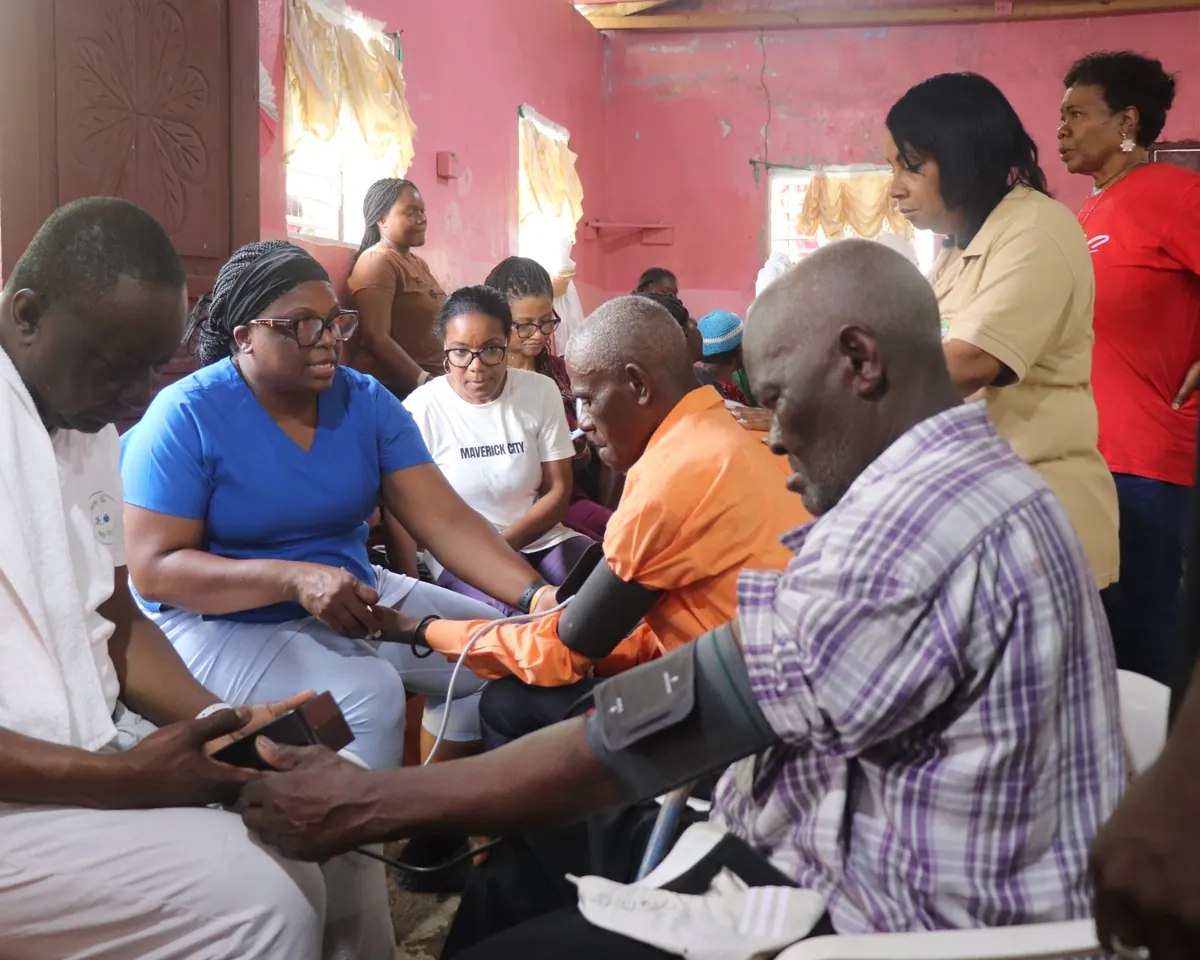
A health fair, brought to the bateyes.
On the east coast of the Dominican Republic, our teams set up a free clinic for a day, right where families live.
- We arrive in the community
No long trip for families, and no cost to get there.
- Free consultations
Adults and children are seen and checked, and their concerns are heard.
- Free medicines
Patients leave with the treatment they need, not just a prescription they can't fill.
- Care for women
Sanitary products and care for women and girls.
Health care first, and a commitment to the whole family.
Our mission: alleviating human suffering, improving health care and disaster relief, improving nutrition, and encouraging literacy on Hispaniola.
Medical Care
Free health fairs with consultations and medicines.
Oral Health
Prevention and hygiene so children can eat and learn without pain.
Education
Encouraging literacy has been part of our mission from the start.
Community
Disaster relief when storms strike the island.
Wellness
Better nutrition and sanitary supplies for healthier families.
The people who bring the care.
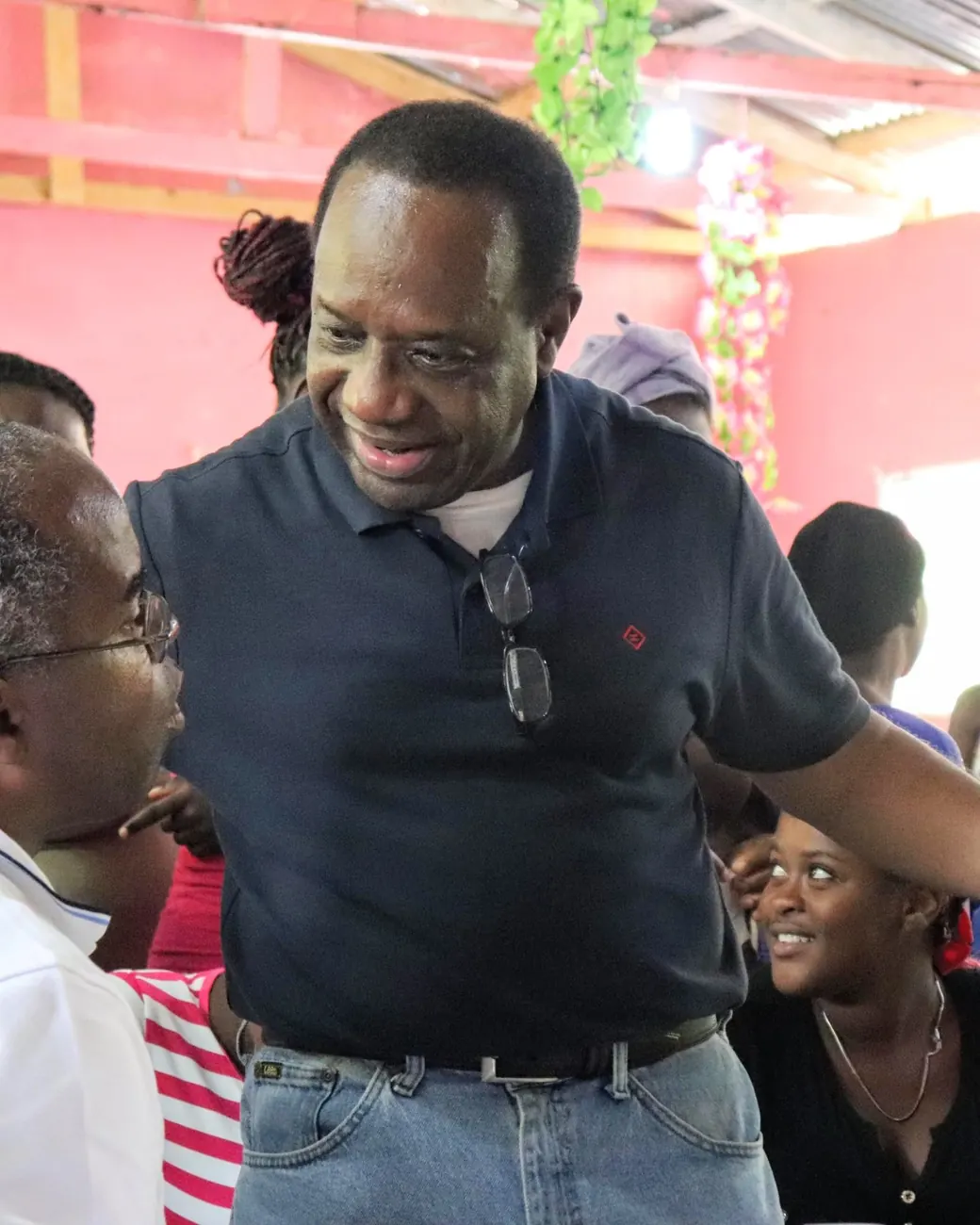
Jean Charles
He found his American dream, then went back to the island to share it.
Jean Charles was born in Haiti and came to the United States in 1972. After building a life here, he wanted to improve the lives of the people he had left behind on Hispaniola.
When Hurricane Georges tore across the island in 1998, he founded the J.C. Hispaniola Fund with his own money to fight the poverty and disease he saw in Haiti and the Dominican Republic. He has been at it ever since.
-
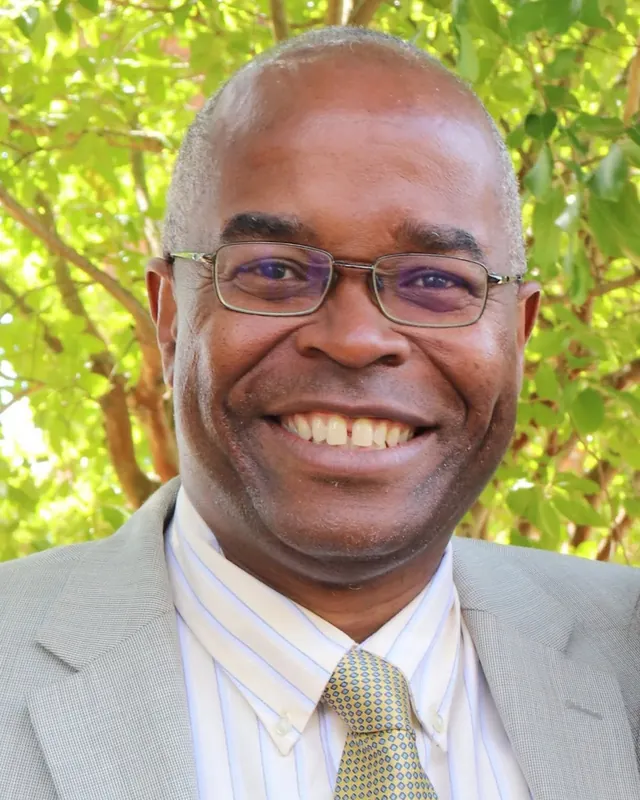 Luc JosephMedical Director
-
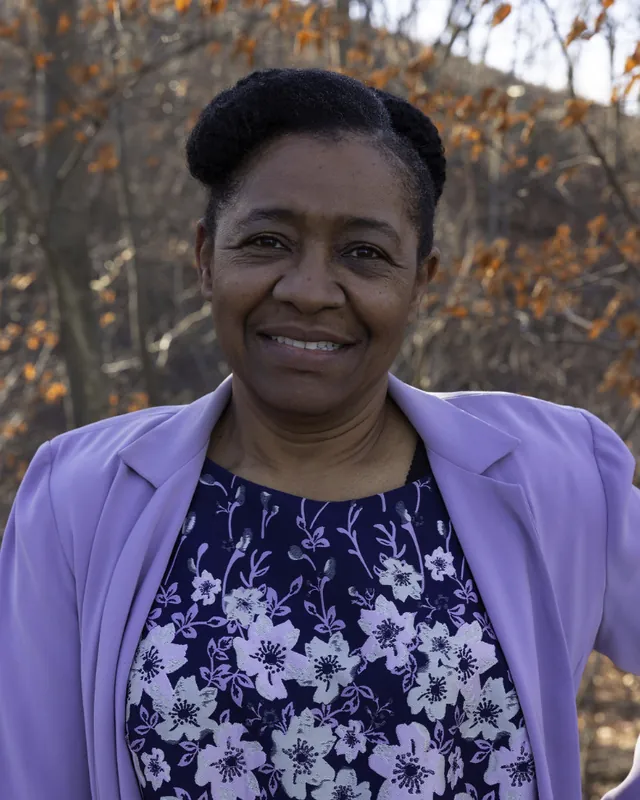 Natalie Joseph
-
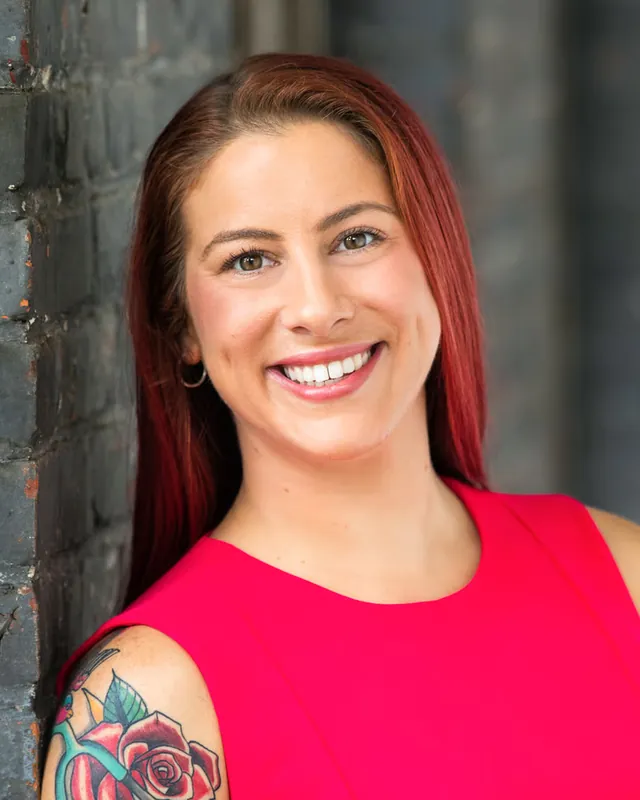 Amanda Micco
- Join our team Doctors, nurses, translators and organizers: we'd love to hear from you.
See our health fairs, year by year.
Pick a year to open its full photo album on Google Photos.
Your gift becomes a doctor's visit in the bateyes.
The J.C. Hispaniola Fund is a 501(c)(3) nonprofit, so your gift is tax-deductible to the extent allowed by law.
- Funds free consultations and medicine at our health fairs
- Provides sanitary products and care for women and children
- Supports relief when storms and disasters strike the island
Is my gift tax-deductible?
What are the bateyes?
Where does my money go?
Can I give medicine or supplies instead?
Are you connected to any political group?
Join the JC Hispaniola family.
Get news from the bateyes, photos from each health fair, and the occasional chance to help. Got a question or an idea? Write it here and we'll get back to you.
- Takes about 30 seconds
- A few updates a year, never spam
- We never share your information
Sources for the history on this page
- “Batey (sugar workers' town).” Wikipedia. en.wikipedia.org
- “Prevalence of malaria and lymphatic filariasis in bateyes of the Dominican Republic.” Infectious Diseases of Poverty, 2019. link.springer.com
- Inter-American Commission on Human Rights. Report on the Situation of Human Rights in the Dominican Republic, 1999, Chapter IX. cidh.oas.org
- Minority Rights Group. “Dominican Republic: Haitians.” World Directory of Minorities and Indigenous Peoples, 2018. refworld.org
- “Consejo Estatal del Azúcar.” Jaime Montilla, Dominican sugar industry history. jaimemontilla.com